
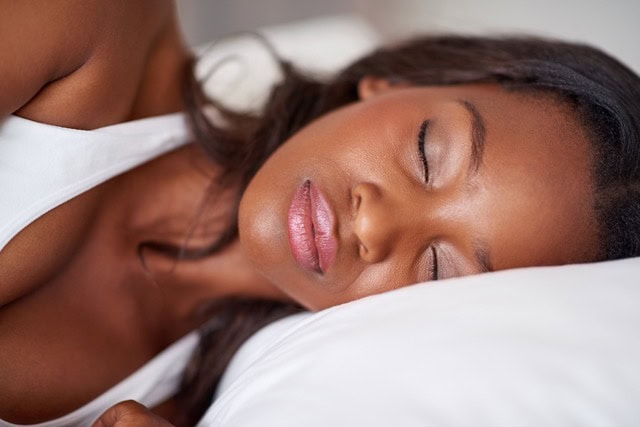
If you’ve ever found yourself tossing and turning after holiday travel or struggling to stay asleep during the cold winter months, you’re not alone. Between jet lag, noisy hotels or simply an unfamiliar bed, it’s easy to lose the deep, restorative sleep your body needs. Fortunately, there are a few practical strategies that can help you reset your sleep routine, avoid issues like back pain and give your body the rest it deserves.
Why sleep matters for posture and recovery
Sleep isn’t just about feeling rested. It’s critical for your posture, muscle recovery and long-term health. According to the National Institutes of Health, adults need seven to nine hours of sleep each night to support immune function, memory and physical performance. When you don’t sleep well, your muscles don’t get the chance to repair and recharge, which can leave you feeling stiff and achy after traveling. Over time, poor sleep can also affect posture and energy and even increase your risk of injury.
As physical therapists, we often see patients whose sleep habits are directly impacting their recovery. The right sleep environment and posture can make a huge difference in how you feel the next day.
7 tips for improving sleep during winter and after travel
-
Bring your own pillow or adjust with a towel.
Unfamiliar beds often have pillows that are too high or too low, putting strain on your neck and back. Bringing your own pillow can help ensure proper spinal alignment. If that’s not an option, fold up a towel and place it under the pillow until it feels like the right height for you.
-
Request extra pillows for support.
A second or third pillow can be your best travel companion. Place one between your knees to reduce stress on your hips, or tuck one under your legs to ease pressure on your lower back. This simple adjustment supports better spinal posture and helps you wake up with fewer aches.
-
Keep the thermostat low.
Cooler rooms make it easier for your body to reach deep, restorative sleep. According to the Sleep Foundation, most people sleep best at temperatures between 65 and 68 degrees. Overheating during the night can cause restlessness and frequent wake-ups.
-
Block out noise and light.
Hotels, guest rooms and even your own home during the holidays can be noisy. An eye mask and earplugs can create the quiet, dark environment your brain needs to enter deep sleep. This is especially helpful for reaching the REM (rapid eye movement) stage of sleep, which is important for memory and recovery.
-
Avoid caffeine and alcohol close to bedtime.
Caffeine is a stimulant that can stay in your system for up to six hours. Even an afternoon cup of coffee or tea can keep you awake at night. Alcohol may help you fall asleep initially, but it interferes with REM sleep and often leads to middle-of-the-night wakefulness and morning grogginess. Opt for water or herbal tea in the evening instead.
-
Reestablish a routine after travel.
Your circadian rhythm — your body’s internal clock — thrives on consistency. After traveling across time zones, try to go to bed and wake up at the same time each day, even on weekends. A steady schedule helps your body adjust faster and supports higher-quality sleep.
-
Prioritize gentle stretches before bed.
After a long day of sitting in a car or on a plane, your muscles may feel tight and tense. Gentle stretches can ease stiffness and signal to your body that it’s time to relax. Focus on movements like shoulder rolls, hamstring stretches, or simple neck stretches that relieve tension and support good posture.
Seasonal considerations for winter sleep
Winter often brings shorter days and less exposure to natural light, which affects melatonin, the hormone that regulates sleep. To help reset your internal clock:
- Get natural light exposure first thing in the morning.
- Limit screens for at least 30 minutes before bed, as blue light can delay melatonin release.
- Try a calming evening routine, such as reading, journaling or gentle breathing exercises.
FAQs about sleep and posture
Q: Can sleeping in the wrong position really affect my posture?
A: Yes. Poor sleep posture can strain your muscles and joints, leaving you sore and stiff the next day. Over time, it can contribute to misalignments and discomfort.
Q: What if I can’t fall asleep after traveling?
A: Try to avoid napping during the day, get sunlight exposure in the morning and stick to your new bedtime schedule. Your body should adjust within a few days.
Q: Are sleep aids a good solution?
A: Over-the-counter sleep aids may help short-term, but they’re not a long-term fix. Building healthy sleep habits is more effective and sustainable.
When to seek support from a Forever Fit physical therapist
If you regularly wake up with pain, stiffness or poor sleep despite trying these tips, a physical therapist may be able to help. At Forever Fit, our licensed therapists can assess your posture, provide exercises to reduce tension and guide you toward long-term improvements.
Our clinics in Frederick, Largo, Crofton, Gaithersburg and other Maryland communities often see patients during the winter months who are struggling with post-travel fatigue and posture-related sleep issues. We’re here to help you sleep better, move more freely and feel like yourself again.
Our team is here to help you take control of your body again! Call us today or fill out our online appointment request form to set up your first appointment with our compassionate physical therapists.
