
If you’ve ever felt like your body changed after having a baby, or if you find yourself planning your day around where the nearest bathroom is, you’re not alone. Many women feel that certain types of pain or leaking are just a natural part of being a woman. We’re here to tell you that while these issues are common, they don’t have to be your “new normal.”
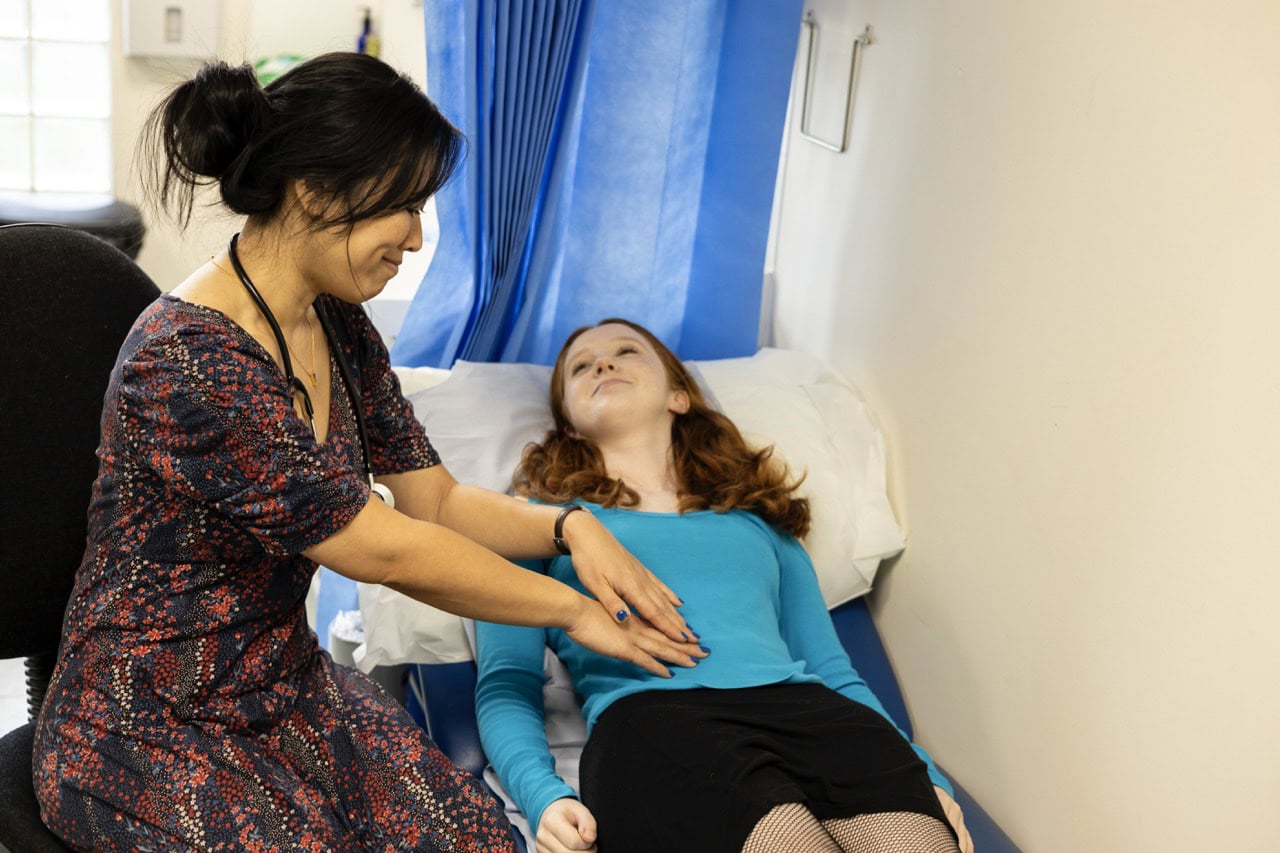
Talking about your pelvic health can feel a little awkward or even scary. Our goal is to help you feel heard and supported. Women’s health physical therapy is a specialized area of care focused on how the body changes across the lifespan. It looks at movement, strength, and function during key life stages such as pregnancy, postpartum recovery, menopause, and beyond. This type of physical therapy also supports people dealing with pelvic pain, bladder or bowel concerns, and core weakness that can affect daily life. A women’s health physical therapist provides care built around your goals, comfort level, and what matters most to you. Treatment is gentle, evidence-based, and focused on helping you move with more confidence, less pain, and better control during everyday activities.
Conditions seen in women’s health physical therapy
There are many different reasons why a woman may come to physical therapy, and women’s health physical therapy addresses a wide range of concerns that can be underdiagnosed or misunderstood. Some of the most common issues we treat include:
Pelvic organ prolapse
This happens when the pelvic floor muscles can no longer support the organs, causing them to drop down. It often feels like a heavy or bulging sensation.
Urinary incontinence
This is the medical term for leaking urine. It can happen when you cough or sneeze (stress incontinence) or when you feel a sudden, uncontrollable urge to go (urge incontinence).
Postpartum recovery
After childbirth, the body needs time and support to heal. We help with “mummy tummy” (diastasis recti), scar tissue from C-sections, and general weakness.
Pelvic pain
This includes pain during intimacy, pain related to endometriosis, or persistent discomfort in the pelvic region.
Pregnancy support
We help moms-to-be manage back pain, hip pain, and prepare their bodies for labor and delivery.
7 signs you may benefit from women’s health physical therapy
How do you know if it’s time to seek help? Here are seven signs that your body may be asking for extra support:
You leak when you laugh, sneeze, or jump.
This is often called the “trampoline effect.” If you find yourself crossing your legs when you sneeze or avoiding the gym because you’re worried about an accident, your pelvic floor muscles may need coordination training. Leaking any amount of urine is a sign that pressure in your abdomen is not being managed effectively.
You feel heaviness or pressure in your pelvic area.
If it feels like something is falling down or you notice pressure in your pelvis by the end of the day, you may be experiencing pelvic organ prolapse. This can feel like a dull ache or a bulge. A physical therapist can help strengthen your support system to reduce that heavy sensation.
You have pain during intimacy.
Pain during sex is not something you have to live with. It’s often caused by pelvic floor muscles that are too tight and unable to relax. Treatment focuses on helping these muscles release tension, making intimacy more comfortable.
You have a pooch that won’t go away after pregnancy.
If you notice a gap in your abdominal muscles or a bulge along your midline when performing certain movements, you may have diastasis recti. This separation of the abdominal muscles is common after pregnancy. Physical therapy can help you safely rebuild core strength and improve muscle coordination.
You have to go to the bathroom more often than not.
Do you find yourself going “just in case” before leaving the house, even without a strong urge? Frequent trips to the bathroom can be a sign of an overactive bladder. Therapy can help retrain your bladder and nervous system to work together more effectively.
You’re experiencing persistent low back or hip pain.
Sometimes, the source of back pain isn’t the back itself. Because the pelvic floor is part of your core foundation, weakness or dysfunction can contribute to discomfort in the hips and lower spine. If traditional physical therapy hasn’t helped, the pelvic floor may be an important missing piece.
You’re pregnant and want to stay active.
You don’t have to wait until you’re in pain to start physical therapy. We enjoy helping pregnant women stay strong and mobile. Treatment can include safe exercises to protect your joints, support your changing body, and prepare your muscles for delivery.
Forever Fit can help you heal with women’s health physical therapy
At Forever Fit, women’s health physical therapy is built on compassion, education, and effective treatment. We understand these topics can feel sensitive and strive to provide a private, comfortable environment where you can speak openly about your health. Our team takes time to listen to your story, answer questions, and create a plan that fits your life. We focus on evidence-based techniques that improve strength, mobility, and confidence while respecting your comfort and goals every step of the way.
You deserve to move through life without pain, worry, or discomfort. Our goal is to empower you with the tools and knowledge needed to feel more in control of your body. Whether you’re returning to running, lifting your grandkids, or simply getting through the day without a bathroom emergency, we’re here to help.
Contact our team today for more information or to schedule an initial appointment.

