
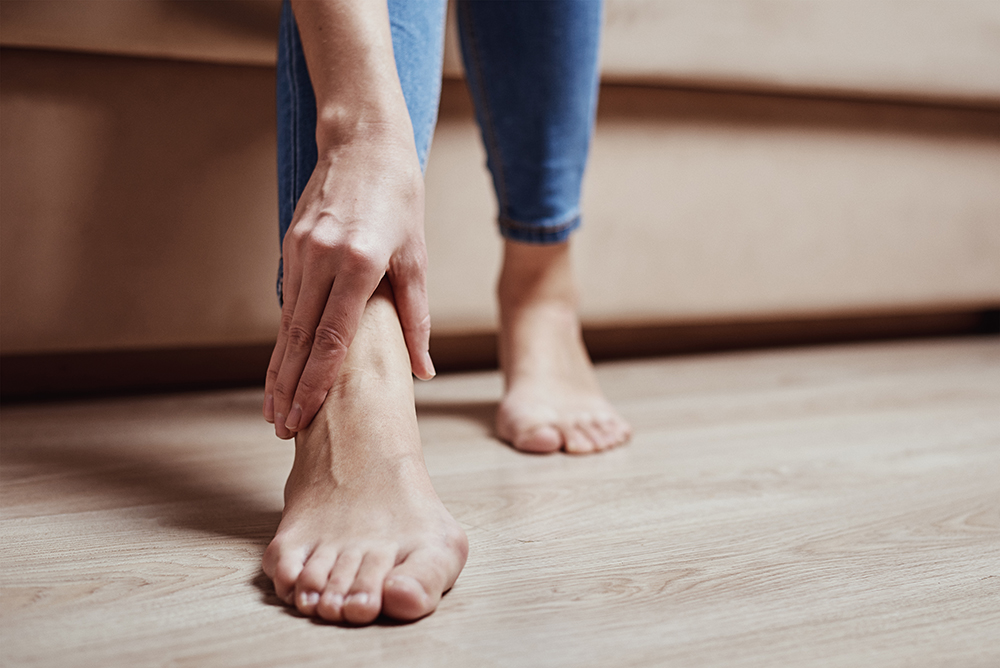
When the temperature drops, many people notice their joints feeling stiffer or achier than usual. If you have arthritis, past injuries or other joint conditions, you may find that winter weather makes everyday movements harder. Fortunately, physical therapy offers research-backed solutions to help you stay active, reduce pain and move more comfortably all season long.
Why does cold weather make joint pain worse?
Scientists and medical professionals still debate the exact reasons cold weather affects joints, but several factors are commonly believed to play a role:
- Barometric pressure changes — When air pressure drops before a storm, tissue in your body may expand slightly, irritating sensitive joints.
- Temperature changes — Cold air can cause muscles and ligaments to tighten, making movement feel more restricted.
- Reduced activity — Shorter days and icy sidewalks often mean people move less in winter, which can lead to stiffness and deconditioning.
While not everyone notices weather-related changes, many adults with arthritis or prior injuries report increased pain during colder months. Understanding this connection is the first step to finding relief.
5 ways physical therapy can help you beat cold weather joint pain
-
Personalized heat therapy
Heat can be a powerful tool for managing stiffness. Licensed physical therapists may recommend the following:
- Moist heat packs to warm stiff joints before exercise
- Warm baths or showers to ease morning discomfort
- Heating pads applied with safety guidelines to avoid burns
Unlike “one-size-fits-all” advice, therapists tailor recommendations based on your health history, condition and lifestyle. For many patients, using heat before movement improves flexibility and reduces nagging pain.
-
Active indoor exercise programs
When outdoor walks or runs aren’t safe in winter, it’s tempting to slow down — but inactivity often worsens joint pain. A physical therapist can create an indoor program that keeps you moving safely, including:
- Gentle stretches to maintain flexibility
- Resistance band routines to strengthen muscles around painful joints
- Balance drills to reduce fall risk during icy months
For example, a patient with knee arthritis might benefit from low-impact exercises like seated leg raises or stationary cycling. Such activities are intended to reduce stiffness without adding strain to the sore joint.
-
Guided strengthening and mobility work
Winter is the perfect time to focus on building strength. Stronger muscles help support and stabilize joints, reducing painful pressure. Physical therapists use evidence-based progressions so you safely increase your activity level without flare-ups. For hips and knees especially, this kind of focused work can make climbing stairs or carrying groceries far more comfortable.
-
Education on pacing and self-care
One common myth is that rest is always best for painful joints. In reality, staying still for too long can make stiffness worse. Physical therapists provide personalized education, including:
- How to balance activity and rest
- Strategies for breaking up long periods of sitting
- The PEACE & LOVE framework (protection, elevation, avoiding anti-inflammatories, compression, education, load management, optimism, vascularization and exercise)
This patient-first education empowers you to manage discomfort rather than avoid activity altogether.
-
Supportive manual therapy
Hands-on physical therapy techniques, like gentle strain-counterstrain stretching or soft tissue mobilization, can reduce protective tension around stiff joints. Contrary to the myth that therapists “break up scar tissue,” what they actually do is help your body move more freely and comfortably. Many patients describe this care as a relief that makes exercise and daily life easier.
Benefits beyond pain relief
Working with a physical therapist in winter isn’t just about easing aches. It also:
- Improves energy and mood during colder, darker months
- Increases confidence in movement, reducing the fear of falling or getting hurt
- Builds long-term habits that support joint health year-round
In other words, therapy can help you enjoy your favorite activities — whether that’s playing with grandchildren, walking your dog or gardening once spring arrives.
FAQs
Does everyone feel joint pain in cold weather?
No, not everyone does, but many adults with arthritis or old injuries notice it more in winter.
Should I stop exercising when my joints hurt?
Not necessarily. With the right guidance, gentle movement can often ease pain instead of making it worse.
Is heat or ice better for cold weather pain?
For stiffness, heat often works best. Ice is typically more helpful for new injuries or swelling.
Forever Fit is here to help you manage cold weather-related joint pain
Cold weather doesn’t have to mean painful, stiff joints. With the right guidance from a licensed physical therapist, you can work to stay active, comfortable and confident all season long.
If you live in Maryland, Forever Fit has convenient clinics ready to support you this winter. Our Frederick, Largo, Crofton and Gaithersburg clinics are excellent options for scheduling appointments during the colder months. We also have additional locations across Maryland so expert care is never far from home.
You don’t have to live with winter joint pain. We’re here to help you address it! Give us a call today or fill out our appointment request form to get your initial appointment scheduled with us.

